
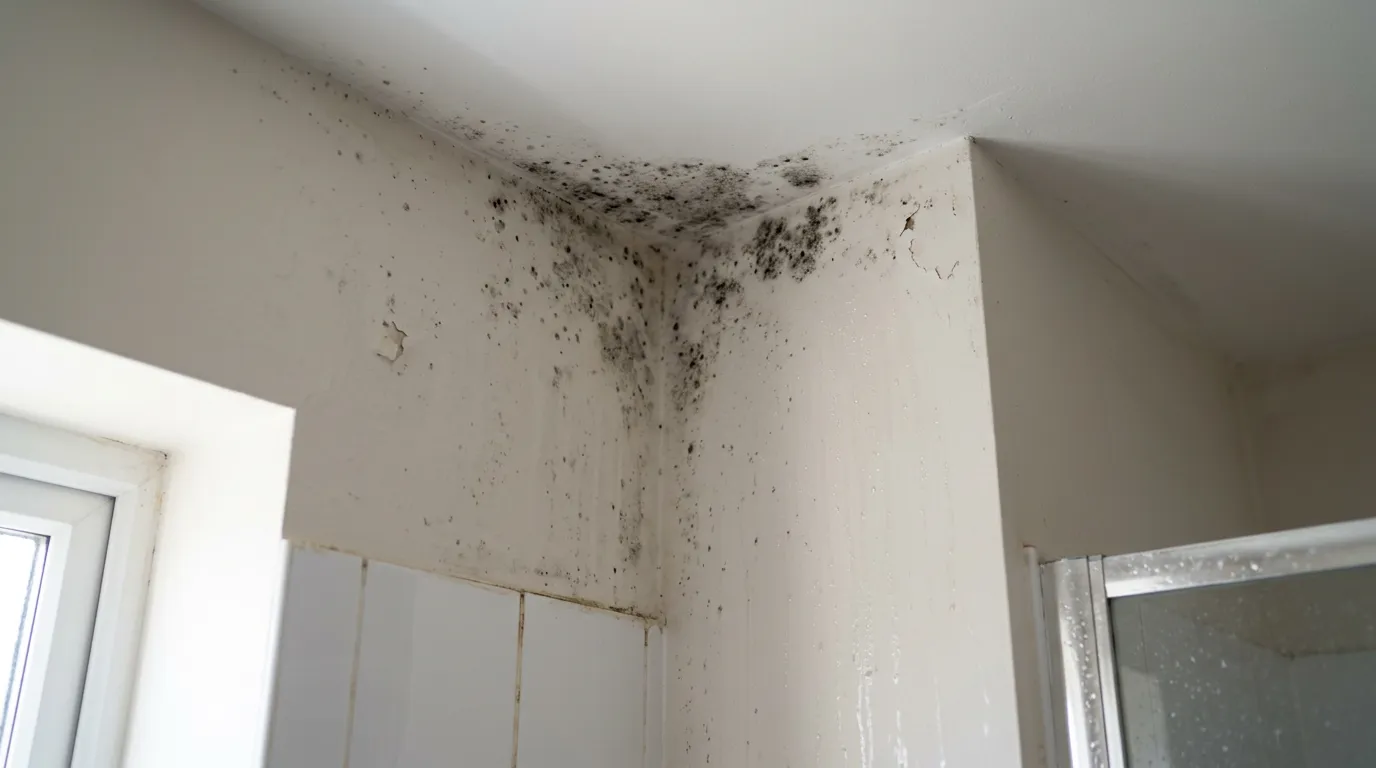
Where mold grows and why
Mold requires moisture, organic material (like wood or drywall), and warmth to grow. Common problem areas in homes include basements with poor drainage, bathrooms with inadequate ventilation, attics with roof leaks, and crawl spaces with high humidity. Colorado's dry climate helps reduce mold risk, but water intrusion from storms, plumbing leaks, or poor grading can create ideal conditions.
Signs of mold during inspection
During a home inspection, we look for visible mold growth (usually dark spots or discoloration), water staining, musty odors, and conditions that encourage mold—like poor ventilation, condensation, or active moisture. Mold can hide behind walls and under flooring, which is why addressing moisture problems early is critical.
Moisture control and prevention
Preventing mold starts with controlling moisture. Ensure gutters and downspouts direct water away from the foundation. Seal cracks in the foundation and exterior. Maintain proper attic and crawl space ventilation. Use exhaust fans in bathrooms and kitchens. Fix plumbing leaks promptly. In basements, consider a dehumidifier or sump pump if needed. These steps prevent the conditions mold needs to thrive.
What to do if mold is discovered
Small areas of surface mold can sometimes be cleaned with appropriate cleaner. Extensive mold or mold in insulation, HVAC systems, or structural wood typically requires professional remediation. The first step is always to identify and stop the moisture source. Mold remediation without addressing the underlying moisture problem is ineffective.