What gets inspected in electrical systems
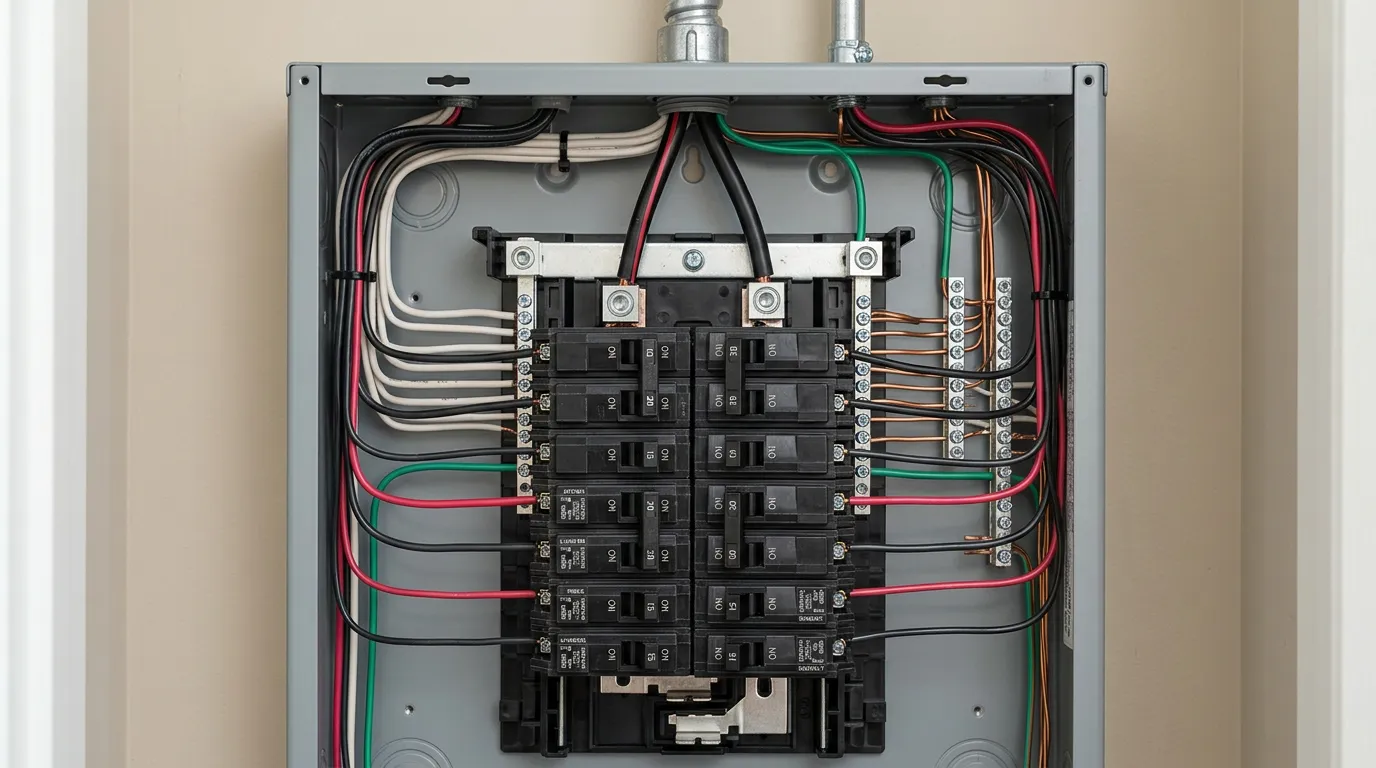
During a home inspection, we examine the main service panel, breakers, wiring, outlets, switches, grounding, and overall code compliance. We check that the service size matches the home's needs, breakers are properly labeled and function correctly, and there are no signs of overheating, damage, or outdated components. We test outlets and switches and look for potential hazards.
Common electrical issues
Older homes may have outdated wiring (aluminum or knob-and-tube), insufficient service capacity, or missing grounding. We look for reverse polarity, too many outlets on a single circuit, DIY modifications that don't meet code, and signs of overheating or fire risk. Deteriorated wiring insulation, corroded connections, and improperly installed circuits are red flags that need attention.
Safety concerns to watch for
Electrical problems can create fire hazards and shock risks. Two-prong outlets in wet areas (bathrooms, kitchens) without GFCI protection are unsafe. Exposed wiring, damaged insulation, and improperly grounded systems all pose risks. Older homes with aluminum wiring in particular can develop loose connections and heat buildup over time.
Planning upgrades and repairs
If inspection reveals electrical issues, get cost estimates from a licensed electrician. Some problems are critical safety issues requiring immediate attention; others can be addressed during planned upgrades. Our detailed report documents all findings, helping you prioritize repairs and negotiate with the seller if needed.