
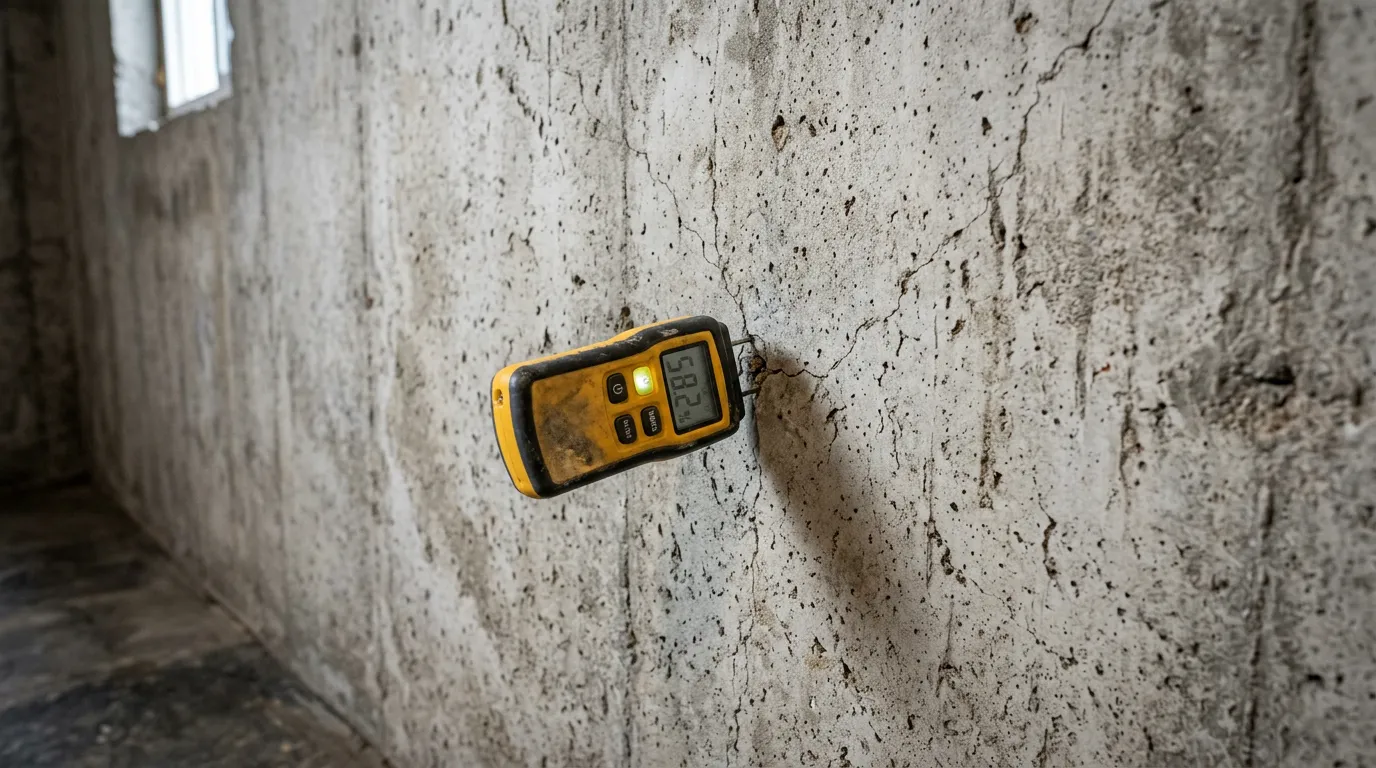
Why foundation inspections matter
Your home's foundation bears the entire weight of the structure. Cracks, settling, moisture intrusion, or other damage can lead to expensive repairs and long-term problems. During a thorough inspection, we examine the foundation for signs of movement, water damage, deterioration, and structural integrity issues.
Colorado's freeze-thaw cycles and variable soil conditions make foundation assessment especially important. Proper evaluation early in the buying process can save you thousands in future repairs.
Common foundation issues in Colorado
Colorado homes often experience foundation challenges due to soil composition, moisture levels, and climate extremes. Settlement cracks are common in older homes; newer construction may show moisture seepage or poor drainage. We look for horizontal cracks, bowing walls, uneven floors, and signs of water penetration—all red flags that warrant further inspection or repair estimates.
What happens during a foundation inspection
Our inspector examines the foundation's exterior and interior, checking for visible cracks, moisture, efflorescence, and structural signs. We assess drainage around the perimeter, look for water staining in basements or crawl spaces, and evaluate any previous repairs. The detailed report documents all findings with photos and recommendations for further evaluation if needed.
Next steps if issues are found
Minor cracks and settling are often normal in older homes. Significant damage—horizontal cracks, bowing, or active water intrusion—warrant consultation with a structural engineer. Our report gives you the information you need to negotiate repairs with the seller or factor costs into your purchase decision.